

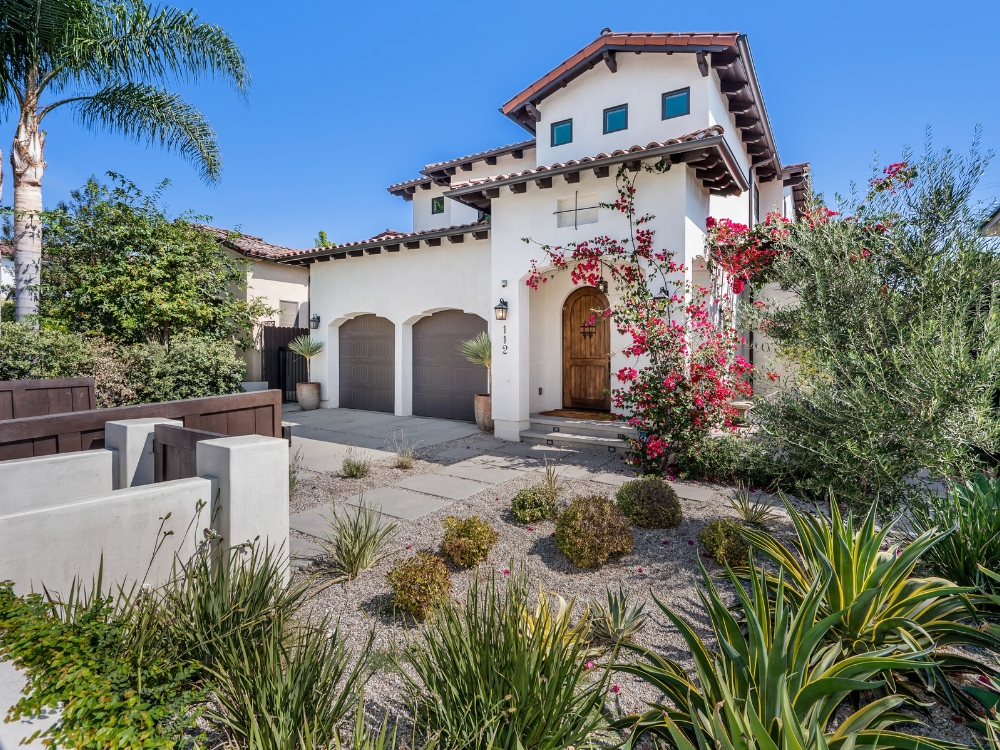
San Diego’s appeal is easy to understand. The coastline, mild weather, outdoor recreation, dining, and laid-back atmosphere offer a quality of life that few major cities can match.
Living here, however, also comes with meaningful trade-offs. Housing commands a premium, many daily routines depend on a car, and wildfire risk can complicate the cost and availability of homeowners insurance. Even the city’s famous sunshine may feel different to someone accustomed to mature trees and four distinct seasons.
If you are considering a move, understanding these realities is just as important as knowing where to find the best beaches. Here are the advantages and challenges that can most affect everyday life in San Diego.
Year-Round Outdoor Living
San Diego’s climate remains one of its greatest advantages. Winters are generally mild, summers are warm, and outdoor spaces can be used year-round.
That consistency changes how people live. Patios become functional living areas rather than seasonal extras. Beaches, parks, trails, golf courses, and outdoor dining stay in regular rotation. Activities such as surfing, cycling, hiking, and beach volleyball do not need to be abandoned for months at a time.
The weather is not perfect every day. Coastal areas experience May Gray and June Gloom, temperatures can vary considerably between the coast and inland communities, and some years bring periods of heavier rain. Even so, San Diego provides far more opportunities for year-round outdoor living than most major metropolitan areas.
For many residents, that is the defining benefit of living here.
Wildfire and Insurance Considerations
Earthquakes may receive more attention from people moving to California, but wildfire risk often has a more immediate effect on a home purchase.
Many parts of San Diego County are located in designated fire-hazard areas. This is particularly relevant in communities near canyons, open space, foothills, and wildland boundaries. A property’s location, roof, vegetation, access, and surrounding terrain can all affect its insurability.
Some buyers may have fewer options in the traditional insurance market and need to consider the California FAIR Plan, often paired with supplemental coverage. Premiums, deductibles, mitigation requirements, and available carriers can vary significantly from one property to another.
Insurance should be investigated early. Obtaining property-specific quotes during the purchasing process can help reveal the full cost of ownership and prevent unexpected problems with financing or coverage.
Buyers considering areas such as Poway, Rancho Bernardo, Escondido, and other inland or hillside communities should be particularly diligent, although fire-risk considerations are not limited to those locations.
A Dining Scene on the Rise
San Diego has always been known for taco shops, seafood, craft breweries, and relaxed neighborhood restaurants. What has changed is the depth of the region’s chef-driven dining scene.
Addison has earned international recognition with three Michelin stars, while restaurants throughout the county continue to attract attention for ambitious menus, local ingredients, and creative concepts. Lilo in Carlsbad joined the region’s Michelin-starred restaurants in 2025, further demonstrating that exceptional dining is no longer concentrated in one part of the county.
San Diego’s food scene appeals broadly because of its range. Residents can plan a multi-course tasting experience, visit a waterfront restaurant, explore international cuisine, or find an unassuming neighborhood spot that becomes a regular favorite.
From North County coastal communities to central San Diego and the South Bay, the region now offers far more than its familiar reputation for fish tacos and brunch.
Car Dependency and Freeway Travel
San Diego has invested in its transit system, and ridership has continued to grow. The trolley and bus network can work well for residents whose homes, workplaces, and regular destinations fall along established routes.
For many people, however, a car remains essential.
North County, inland communities, and many suburban neighborhoods are not connected by a single convenient transit system. A relatively short trip may require multiple freeways, and destinations that appear close on a map can feel much farther apart during commute hours.
Travel between Carmel Valley and Poway, for example, may involve both State Route 56 and Interstate 15. A drive between Escondido and Encinitas can depend heavily on conditions along Interstate 15 and State Route 78. An accident or road closure can quickly add significant time because alternate routes are often limited.
This makes location especially important. Choosing a home near work, recreation, or places you visit most often can significantly affect daily life. In San Diego, proximity isn’t just about mileage; the direction of travel and the freeways involved matter, too.
Accessible Entertainment
San Diego may not receive every major tour or event that stops in Los Angeles, but the city offers an excellent collection of venues.
The Rady Shell at Jacobs Park combines live music with a waterfront setting and hosts performances by the San Diego Symphony as well as visiting artists and special events. Humphreys Concerts by the Bay offers a smaller venue overlooking the marina. Major touring acts appear at the North Island Credit Union Amphitheatre, Petco Park, and other venues throughout the county.
Petco Park also places baseball, concerts, restaurants, and downtown nightlife within a relatively compact area. Parking and traffic still require planning, but attending an event in San Diego can often feel more manageable than navigating a larger metropolitan area.
The same is true of museums, street fairs, farmers markets, neighborhood festivals, and outdoor events. Residents can enjoy a full cultural calendar without every outing becoming an all-day logistical undertaking.
The Premium Cost of Housing
San Diego’s quality of life is reflected in its real estate prices.
Buyers generally pay more for coastal access, desirable locations, established neighborhoods, shorter commutes, or proximity to major employment centers. The property itself may also be smaller or older than what the same purchase price could secure in another part of the country.
The purchase price is only one part of the equation. Property taxes, homeowners association dues, Mello-Roos assessments, insurance, maintenance, and utility costs can all affect the complete ownership picture.
That does not mean buying in San Diego is the wrong decision. It means buyers need to evaluate value in a local context. A home that shortens a daily commute, provides access to a walkable commercial district, or puts frequently used amenities nearby may offer benefits not captured by square footage alone.
The most important comparison is not simply how much house a buyer can purchase. It is how a particular home and location will support the life they want to lead.
Distinct Neighborhoods and Lifestyles
San Diego is not one uniform market. Its communities offer distinctly different architecture, surroundings, and lifestyles.
Master-planned neighborhoods in areas such as Del Sur, Carmel Valley, and Rancho Peñasquitos may offer newer homes, community amenities, parks, trails, and a more consistent streetscape. Coastal communities such as Encinitas and Carlsbad combine beach access with established neighborhoods and active commercial districts.
Closer to the urban core, areas such as North Park and South Park offer Craftsman homes, Spanish architecture, mature neighborhoods, and a more eclectic mix of restaurants and businesses.
This variety gives buyers meaningful choices. Some prefer newer construction and neighborhood amenities. Others value architectural character, walkability, larger lots, coastal proximity, or privacy.
Understanding those priorities makes it easier to narrow the search to communities that genuinely fit, rather than comparing properties across the entire county based on price and square footage alone.
The Uniformity of Planned Communities
The consistency of a master-planned community can be either an advantage or a drawback.
Newer suburban neighborhoods often offer modern floor plans, updated infrastructure, community recreation, and homes that need fewer immediate improvements. Those qualities are attractive to buyers who want convenience and predictability.
The trade-off is that architecture, lot sizes, landscaping, and street layouts can feel similar from one block to the next. Buyers who prefer individually designed homes, mature landscaping, or a more varied streetscape may find some developments too uniform.
Older neighborhoods and established coastal towns generally offer more architectural diversity, but they may also bring older systems, smaller garages, unconventional floor plans, or a greater need for renovation.
Neither option is inherently better. The right choice depends on whether a buyer values consistency and newer construction or character and individuality.
A Drier, Less Wooded Landscape
San Diego’s natural environment can be an adjustment for people arriving from the Northeast, Midwest, or Pacific Northwest.
The region’s landscape is generally drier and more open, with fewer large shade trees in many neighborhoods. The City of San Diego’s most recent tree-canopy measurement placed coverage at approximately 13 percent, with a goal of reaching 28 percent by 2030.
Tree coverage also varies considerably by neighborhood. Some established communities have leafy streets and mature landscaping, while others feel much more exposed to the sun.
Residents accustomed to dense greenery, frequent rain, and dramatic fall color may miss those features. San Diego offers its own beauty—coastal bluffs, canyons, chaparral, palms, and year-round blooms—but it does not resemble a traditionally wooded landscape.
A Smaller but Growing Sports Scene
San Diego does not offer the sheer number of professional sports teams found in Los Angeles or some East Coast cities.
The Padres remain the center of the city’s professional sports culture, with Petco Park providing one of the country’s most distinctive baseball settings. San Diego FC has brought new energy to the region since beginning Major League Soccer play in 2025. The club finished first in the Western Conference during its inaugural regular season and advanced to the Western Conference Final.
The city is also home to the San Diego Wave, minor-league teams, collegiate athletics, and an active calendar of sporting events.
NFL, NBA, and NHL fans won't find a local team in every major league. At the same time, San Diego’s sports identity is evolving, and the atmosphere around soccer has created new momentum.
The Bottom Line: The Real Pros and Cons of Living in San Diego
Living in San Diego offers tremendous lifestyle advantages, but they come with real considerations.
The weather supports year-round outdoor living. The dining and entertainment scenes continue to improve. The region offers beaches, business centers, established urban neighborhoods, and thoughtfully planned suburban communities within one metropolitan area.
In return, residents accept premium housing costs, car dependency, traffic, wildfire considerations, and a landscape that may feel very different from other parts of the country.
The right neighborhood can make those trade-offs far easier to manage. A well-chosen location can shorten a commute, improve access to the coast or trails, and place the amenities that matter most within a more convenient radius.
If you are considering a move to San Diego, the McGovern Schwarz Group can help you compare communities, understand the nuances of each local market, and identify the homes and locations that align with your priorities. Contact our team to begin exploring your options throughout San Diego County.
Check out this article next