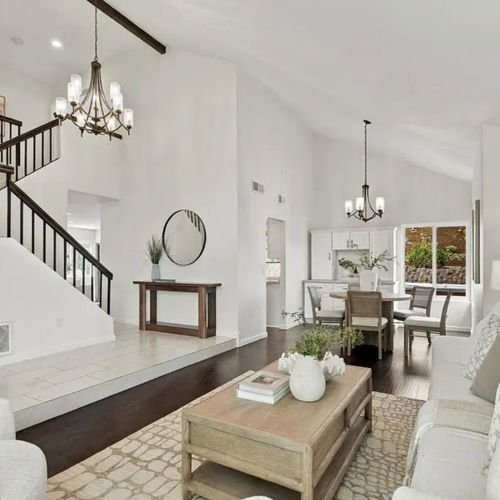


A recent report predicts that San Diego home prices could be ready to take off again. While the report makes some valid points, it misses an important part of what is happening in our housing market: two homes in the same neighborhood, sometimes on the same street, can have completely different results.
One sells in less than two weeks, potentially with multiple offers. The other sits for a month or longer, often with a price reduction. That gap has become increasingly noticeable.
At the McGovern Schwarz Group, we believe understanding that divide is more useful than relying on a headline predicting the market’s next big move. Here is what it means for North County neighborhoods and what buyers and sellers should consider over the next 12 months.
Are San Diego Home Prices About to Skyrocket in 2027?
FinanceBuzz recently published a list of beach towns where real estate professionals believed home prices could skyrocket. San Diego ranked seventh, behind destinations including Myrtle Beach, South Carolina.
The report points to some meaningful numbers: San Diego’s median home price approaching $1 million, homes selling in under a month in parts of the market, and properties continuing to sell above asking price.
However, those figures describe what has already happened. They don’t necessarily tell us what comes next.
Here’s what we do know: affordability remains a significant challenge. The report cited an average 30-year mortgage rate of 7.4% on October 8, compared with approximately 6.3% a year earlier.
On a $1 million purchase with 20% down, that means financing $800,000. The difference between those two rates is roughly $590 per month in principal and interest, or more than $7,000 per year for the same house.
That changes what buyers can afford, what they are comfortable offering, and sometimes whether they decide to purchase at all.
Of course, not every San Diego home buyer needs a mortgage. Cash buyers are less directly affected by interest rates, which helps explain why some homes can still receive multiple offers even when other buyers are struggling with affordability. Others can come in with significant cash from the equity of a different property they just sold.
For buyers financing their purchases, however, the monthly payment remains a major consideration. That makes us cautious about predictions of a broad surge in prices.
The California Association of Realtors forecast cited in the same report projects a more modest 1.4% increase in the statewide median home price for 2027, assuming mortgage rates ease to around 6.6%. That is a very different outlook from prices skyrocketing, and a reminder that forecasts depend on assumptions.
Why Some San Diego Homeowners Are Staying Put
Another side of the affordability problem helps explain why we are also cautious about predictions of a major housing crash: roughly three out of four California homeowners with mortgages have interest rates below 5%, according to the figures discussed in the report. Many have rates closer to 3%.
For those homeowners, moving can mean trading a manageable mortgage payment for a substantially higher one. Even someone who wants a larger yard or another bedroom may find the financial tradeoff difficult to justify.
Unless there is a pressing reason to move, staying put can be the more appealing option. That keeps homes off the market.
So, we are left with buyers struggling to afford a purchase and homeowners reluctant to sell. That combination can keep the market feeling stuck: limited supply supporting prices while affordability limits how much buyers can pay.
The next 12 months could therefore resemble what we have already been experiencing, with little overall movement in either direction.
Still, a relatively flat market is an average. It can hide substantial differences between cities, neighborhoods, and individual homes.
What North County Neighborhoods Tell Us About the San Diego Housing Market
Encinitas offers a good example of how competing trends can exist in the same market. During the summer period discussed in the report, roughly 28% of Encinitas homes sold above asking price. At the same time, a similar percentage of listings had price reductions.
Bidding wars and price reductions were happening in the same city, and those outcomes can even occur with the same property. A home starts too high, sits for weeks, and finally attracts serious interest after a reduction brings it into a range buyers find compelling.
The demand is there. Buyers are simply more selective about what they will pay.
Despite that selectivity, Encinitas homes were selling faster than a year earlier during the period examined. That suggests continued demand, even as individual sellers had very different experiences.
In Oceanside, home values had increased a little more than 1% over the preceding year. But that modest citywide increase does not tell us how every neighborhood or property performed. The types of homes selling can influence the overall figures.
Carlsbad had also held up relatively well, with prices generally in the mid-$1.5 million range, depending on the property type, and homes taking a little over a month to go pending. That pace is slower than the pandemic frenzy, but it does not mean buyers are routinely securing enormous discounts.
Farther inland, Escondido was in the high-$700,000 range, while San Marcos was closer to the mid-$900,000s.
These communities offer different choices, but location remains important throughout North County. Proximity to the coast, schools, shopping, restaurants, and major employment centers can influence what buyers are willing to pay. Convenience matters, particularly when buyers consider how much time they spend driving.
Properties that need work, are less convenient, or are priced as though it were still 2022 may face a tougher path to a sale.
The Growing Divide Between Updated Homes and Homes That Need Work
Differences within a neighborhood may matter more than differences between cities.
In Carlsbad, the average home took about five weeks to sell during the summer period discussed. Properties Redfin identified as “hot homes,” however, were selling in around 12 days.
That is a substantial difference within the same city. Condition and pricing help explain the gap.
A Zillow analysis of more than 2 million listings nationwide found that homes needing work sold for roughly 14% below their estimated values, while updated homes sold for a small premium.
That does not mean every San Diego fixer-upper should sell at a 14% discount. National data can’t set the right price for an individual local property, but it shows how buyers are accounting for the cost and effort of renovations.
Many buyers are already stretching their budgets to purchase. Spending another $100,000 remodeling a kitchen after closing may be unrealistic or simply unappealing. They may prefer to pay more for a home where the work is already complete.
You May Not Need a Major Remodel Before Selling Your San Diego Home
That preference does not mean every seller should spend $60,000 renovating a kitchen.
A major project will not necessarily return its full cost. Sometimes the more effective preparation is simpler: fresh paint, flooring, updated lighting, landscaping, and repairs that help a home feel clean and well-maintained.
Staging and marketing also influence how buyers respond. A property that previously struggled to sell can attract renewed interest when you reconsider its presentation, condition, pricing, and marketing together.
The right approach depends on the home and its competition. Before committing to improvements, we recommend assessing what buyers will notice and whether the work will justify the expense.
At the McGovern Schwarz Group, we help sellers evaluate what to improve, what to leave alone, and how to prepare the property for its likely buyers. Check out some of our recent success stories here!
Why a Higher Median Sales Price Does Not Tell the Whole Story
Rancho Peñasquitos provides another useful example. During the summer period examined, its median sale price increased approximately 9%, while the price per square foot declined.
Those numbers can move in opposite directions when the mix of homes selling changes. If more large homes sell, the median price can increase without every property gaining the same amount of value.
A 9% increase in the median does not automatically mean an individual homeowner’s property appreciated by 9%.
Likewise, one beautifully updated home attracting strong competition does not guarantee the same response for a nearby property. Buyers are comparing condition, layout, location, and price, rather than relying on the neighborhood name alone.
What San Diego Sellers Should Be Doing Now to Sell in 2027
One of the biggest mistakes a seller can make is pricing primarily around what a neighbor received six months ago.
That sale is useful information, but mortgage rates, inventory, and demand may have changed since then. What buyers were willing to pay in April may differ from what they will pay in October.
A pricing strategy should account for recent comparable sales and the homes buyers can choose from today. Your property needs to make sense alongside that competition.
Condition deserves the same realistic assessment. You may not need a full remodel, but visible wear or deferred maintenance can affect how buyers evaluate the asking price. A few targeted improvements may make a meaningful difference.
Marketing matters, too. Professional photography, video, floor plans, and thoughtful presentation help buyers understand what makes a home appealing. For many, the first showing happens on their phone. If the listing does not hold their attention, they may never visit.
Where San Diego Buyers May Find Opportunities in 2027
Buyers willing to look beyond fully remodeled homes may find opportunities with less competition.
A solid home with an outdated kitchen, older flooring, or a bathroom that needs refreshing can be worth considering. While other buyers focus on finished interiors, a property needing cosmetic work may offer more room to negotiate.
That is different from taking on major foundation problems, a failing roof, or other expensive repairs. Inspections and realistic improvement estimates are essential to understanding the total cost.
Location also deserves careful consideration. You can update a kitchen, but you cannot change where the house sits.
The goal is to find a property whose purchase price, condition, and improvement needs fit your finances and your willingness to take on projects.
What Could Change in San Diego Housing Over the Next Year?
Any market outlook comes with uncertainty. If mortgage rates fall, more buyers could return. More homeowners might also decide they can finally afford to sell.
The effect on prices would depend on the balance between those two groups. Does buyer demand rise faster than new listings? Or does inventory grow enough to give buyers more choices and keep prices from accelerating?
The report describes fewer than three months of housing supply during the period examined. Limited inventory is one reason to be cautious about expecting widespread, steep discounts, even if specific homes or neighborhoods experience declines.
Two homeowners in the same neighborhood can walk away with very different results. Pricing, condition, and marketing can substantially influence that outcome.
If you are thinking about selling, Bern McGovern and Arianna Schwarz of the McGovern Schwarz Group can help you assess your home’s value, decide which improvements make sense, and prepare a strategy for bringing it to market. If you are buying, we can help you evaluate the choices and identify where an opportunity may fit your goals.
Contact the McGovern Schwarz Group to start planning your 2027 move.
Frequently Asked Questions About San Diego Real Estate in 2027
Will San Diego home prices rise in 2027?
What happens with San Diego home prices in 2027 will depend on mortgage rates, available inventory, and buyer demand. Limited supply could support prices, while affordability challenges may constrain growth. Results will also vary by neighborhood, price range, and property condition.
Should I sell my San Diego home in 2027 or wait?
The right timing depends on your goals, finances, and next move. Rather than relying solely on a price forecast, consider your home’s likely sale price, preparation costs, and the cost of your next purchase. Bern McGovern and Arianna Schwarz of the McGovern Schwarz Group can help you compare those factors.
Should I start preparing now to sell my home in 2027?
Yes. Starting early gives you time to assess repairs, prioritize worthwhile improvements, and develop a pricing and marketing strategy. It also helps you avoid rushing into expensive renovations that may not meaningfully improve your sale.
Will 2027 be a good year to buy a home in North County San Diego?
That depends on your budget, timeline, and the properties available. If mortgage rates decline, monthly payments could become more manageable, but buyer competition could also increase. Buyers should evaluate the full cost of ownership and avoid assuming they will be able to refinance later.
Where could buyers find opportunities in San Diego in 2027?
Homes needing cosmetic updates, listings with longer market times, and properties with reduced prices may be worth exploring. An opportunity depends on the purchase price, condition, location, and improvement costs, not simply how long a home has been listed.
Who can help me plan a San Diego home purchase or sale in 2027?
Bern McGovern and Arianna Schwarz of the McGovern Schwarz Group can help you evaluate neighborhood conditions, prepare your home for sale, compare buying options, and build a plan around your 2027 goals.
Check out this article next