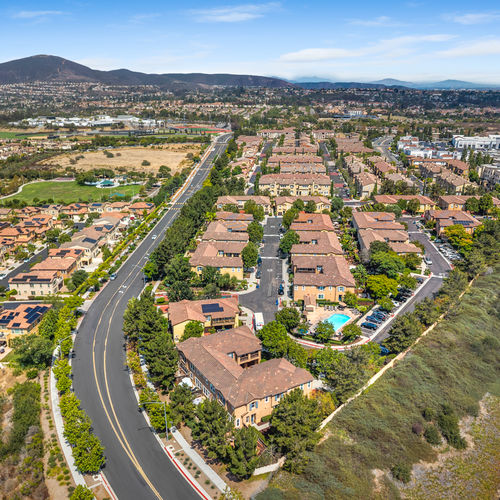

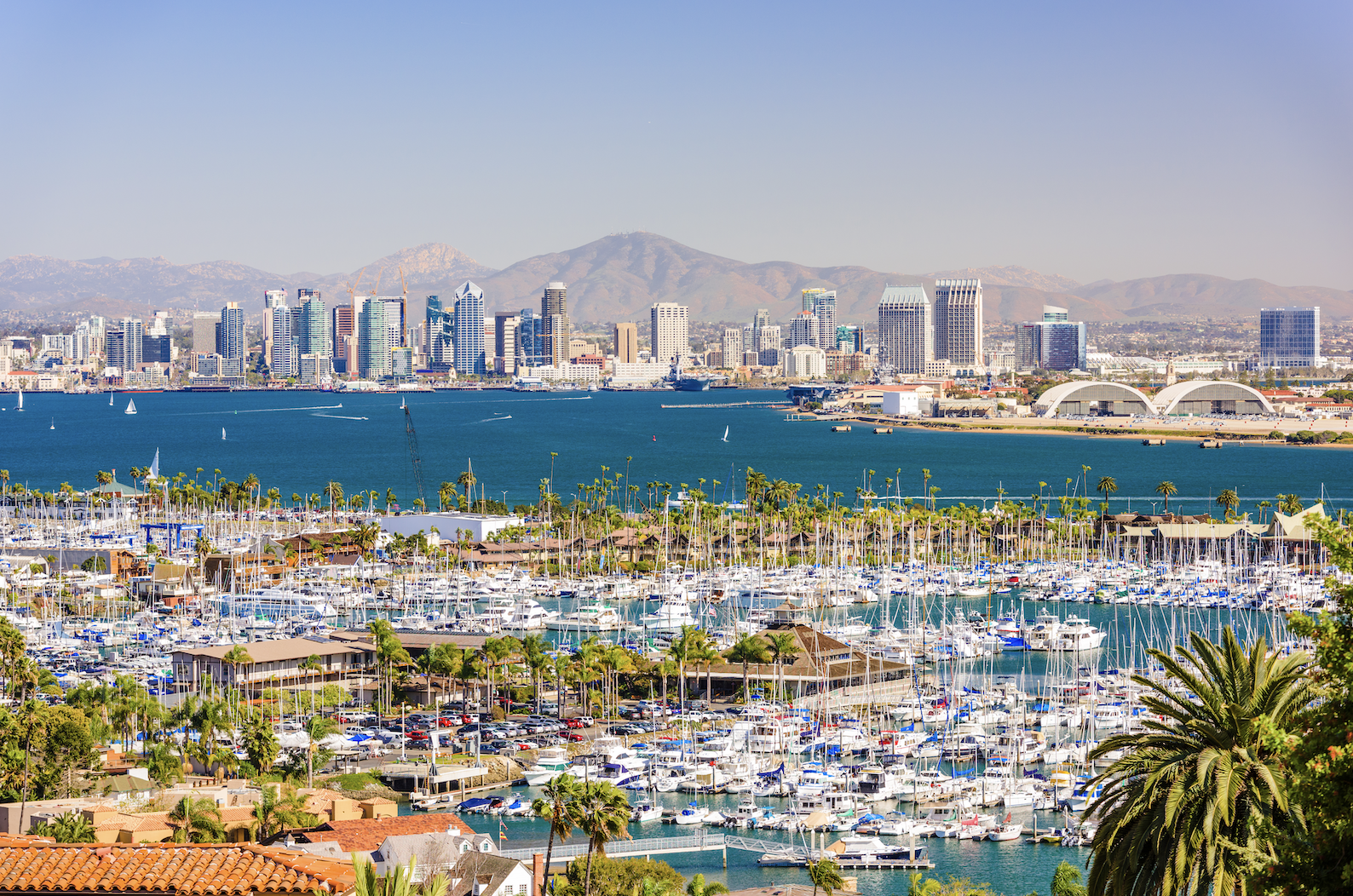
It’s easy to find reasons to feel uncertain about the future of real estate. Mortgage rates are still elevated. Homes are expensive. Buyers are cautious, and listings have increased from the extremely low levels we saw during the pandemic. But beneath those headlines, San Diego is positioned to thrive over the next five years.
The region is investing billions of dollars in infrastructure. Its economy isn’t dependent on a single industry. Life sciences and defense continue to support hundreds of thousands of jobs. Housing remains limited, and people are still willing to pay a premium for the lifestyle.
None of that guarantees that home prices will rise every year. Real estate rarely moves in a straight line. It does, however, help explain why San Diego is positioned to remain one of California’s most resilient and desirable markets over the next five years.
1. San Diego Still Isn’t Building Enough Housing
San Diego’s housing shortage isn’t new, but it remains a major driver of the local real estate market.
The city has more than 1.3 million residents, and San Diego County has more than 3 million. Yet the number of homes available for sale remains relatively limited compared with the population.
That shortage doesn’t mean prices will climb rapidly every year. It means prices can be hard to push substantially lower when buyers compete for a limited supply of homes.
A Tight Market Doesn’t Always Mean a Frenzy
Today’s San Diego housing market doesn’t look like the pandemic-era market. Buyers aren’t universally waiving inspections or competing against ten offers. Some condominiums, townhomes, and higher-priced properties are taking longer to sell. Buyers also have more opportunities to negotiate repairs, closing costs, or mortgage-rate buydowns. But accurately priced homes can still sell quickly, particularly in desirable neighborhoods and more competitive price ranges.
That’s the difference between a tight market and a frenzied one.
San Diego doesn’t need bidding wars on every property for limited inventory to support home values. It simply needs enough buyers competing for fewer homes than they’d ideally like to choose from.
Detached and Attached Homes Are Behaving Differently
The market also varies by property type. Detached single-family homes generally face stronger competition because San Diego can’t easily create more land for traditional neighborhoods. Condominiums and townhomes may give buyers more negotiating room, especially when multiple similar units are available within the same development.
For buyers who feel priced out of detached homes, attached properties and inland neighborhoods may offer more accessible options.
However, the purchase price doesn’t tell the whole story. Buyers should also investigate:
- HOA dues
- Mello-Roos taxes
- Community Facilities District assessments
- Insurance costs
- Planned HOA increases
- Reserve funding
- Upcoming special assessments
Newer construction can look appealing until the HOA and additional taxes are added to the monthly payment. Always compare the complete cost of ownership—not just the asking price.
2. Billions of Dollars Are Being Invested in San Diego’s Future
Great cities don’t remain competitive by standing still. Across San Diego County, major projects are upgrading transportation, water infrastructure, housing, public spaces, tourism, and employment centers. These investments won’t transform the entire region overnight. But together, they’re creating the infrastructure San Diego will rely on for decades.
San Diego International Airport’s New Terminal 1
The first phase of the new Terminal 1 opened in September 2025, replacing a building that had served passengers for nearly six decades. The $3.8 billion project is designed to improve passenger capacity, airport operations, sustainability, and the overall arrival experience.
The finished terminal program will include 30 gates, updated roadways, improved airfield operations, public art, new dining and retail options, and a large parking plaza. The San Diego County Regional Airport Authority estimates that the project will generate more than $4.5 billion for the local economy.
For a city supported by tourism, conventions, military travel, and international business, its airport isn’t just a transportation project. It’s the region’s front door.
Pure Water San Diego
Pure Water San Diego may not be the region’s most glamorous project, but it could be one of its most consequential. The multibillion-dollar program will purify recycled water and create a new, locally controlled drinking-water supply. Once the broader program is complete, Pure Water is expected to provide a significant portion of the City of San Diego’s water. The city reported Phase 1 construction as more than 70% complete in its 2025 Climate Action implementation update.
Water security matters in Southern California. A city investing in a more reliable local supply is strengthening the infrastructure needed to support its population, economy, and future housing.
SDSU Mission Valley
The former Qualcomm Stadium property is becoming an 80-acre mixed-use district anchored by Snapdragon Stadium.
Plans for SDSU Mission Valley include:
- Housing
- Research and innovation space
- Retail
- Hotels
- Parks and open space
- Trails
- Transit connections
- An expanded university presence
The project is designed to create more than a stadium district. It’s intended to become a walkable community connected to the San Diego Trolley and the surrounding Mission Valley area.
As housing and commercial development move forward, the project could change how people view eastern Mission Valley over the next decade.
Chula Vista Bayfront
South County is also experiencing significant investment. The Chula Vista Bayfront redevelopment covers approximately 535 acres along San Diego Bay. The Gaylord Pacific Resort and Convention Center became the project’s most visible anchor, but the larger plan also includes parks, shoreline improvements, commercial space, residential development, and public recreation.
Downtown San Diego
Downtown remains one of San Diego’s biggest opportunities—and one of its most complicated challenges.
Plans to reimagine the urban core include more public spaces, cultural destinations, housing, pedestrian improvements, entertainment, and waterfront connections.
Not every proposed project will move forward on its original timeline. Horton Plaza, the Civic Center redevelopment, and other large downtown properties have all faced delays or shifting plans. Still, the public and private attention on downtown suggests the city understands how much untapped potential remains in its urban core.
3. San Diego’s Economy Isn’t Dependent on One Industry
Cities built around one major industry can struggle when that sector slows. San Diego’s economy is more diversified.
The region is supported by military and defense spending, tourism, international trade, healthcare, technology, higher education, research, manufacturing, and life sciences.
That doesn’t make San Diego immune to recessions or job losses. It does mean weakness in one sector doesn’t necessarily pull the entire regional economy down.
Military and Defense
Military and defense activity remains one of San Diego’s largest economic anchors. According to the 2025 Military Economic Impact Report, the defense sector supported nearly 357,000 local jobs and contributed approximately $61.3 billion to the regional economy. Defense spending accounted for more than one-fifth of San Diego’s gross regional product.
San Diego’s military presence also supports:
- Civilian defense contractors
- Engineering and technology companies
- Shipbuilding and repair
- Logistics
- Healthcare
- Veteran services
- Housing demand
- Small businesses throughout the county
Federal budgets can change, and defense spending isn’t guaranteed to grow every year. But San Diego’s military infrastructure and established defense ecosystem can’t easily be recreated elsewhere.
Tourism
San Diego’s weather, beaches, parks, attractions, conventions, restaurants, and outdoor lifestyle support a major tourism economy. The San Diego Zoo, Balboa Park, SeaWorld, the convention center, beaches, resorts, and professional sports bring millions of visitors into the region.
The airport expansion and new South County convention facilities are both designed to support additional visitor and business travel.
Cross-Border Trade
San Diego’s location next to Mexico creates an economic advantage that many other major U.S. cities don’t share. The San Diego-Tijuana region functions as a cross-border economy supported by manufacturing, logistics, international trade, tourism, medical services, and a workforce that moves between two countries.
That relationship can create infrastructure and policy challenges, but it also gives San Diego access to a much larger binational market.
4. Life Sciences Continue to Anchor High-Paying Jobs
San Diego is one of the country’s leading life sciences markets. The industry is concentrated around La Jolla, Torrey Pines Mesa, University City, Sorrento Valley, Sorrento Mesa, and the State Route 56 corridor.
It includes:
- Biotechnology
- Pharmaceuticals
- Medical devices
- Diagnostics
- Research institutions
- Laboratory services
- Health technology
- Life sciences manufacturing
According to Biocom California’s 2026 Economic Impact Report, San Diego’s life sciences industry directly employed 61,866 people in 2025 and generated approximately $55.2 billion in economic output.
When indirect and supporting employment is included, the industry supported more than 155,000 regional jobs.
Why San Diego’s Life Sciences Cluster Is Difficult To Replicate
Companies don’t locate here only because office or laboratory space is available. They’re drawn to an established network that includes:
- UC San Diego
- Scripps Research
- The Salk Institute
- Sanford Burnham Prebys
- Major healthcare systems
- Venture capital
- Experienced scientific talent
- Specialized laboratories and vendors
- A pipeline of graduates and researchers
That concentration creates momentum. Companies want to be near the universities, institutions, talent, funding, and other businesses already operating here.
The Industry Isn’t Without Challenges
San Diego’s laboratory and office market has corrected after years of aggressive construction. Vacancy rose as new space entered the market, while some companies reduced hiring or pulled back on expansion. Funding conditions have also shifted from the boom years. That’s important context. A strong long-term industry can still overbuild in the short term.
The key point is that research institutions, a skilled workforce, established companies, and a scientific ecosystem haven’t disappeared. San Diego remains one of the country's most significant life sciences clusters.
What Life Sciences Mean for Housing
High-paying jobs near University City, Sorrento Valley, Torrey Pines, and the 56 corridor support housing demand in nearby communities.
That can benefit areas such as:
- Carmel Valley
- Pacific Highlands Ranch
- Rancho Peñasquitos
- University City
- Sorrento Valley
- Mira Mesa
- Del Mar
- La Jolla
- Carlsbad
- Encinitas
Not every life sciences employee wants to live next to the office. But a shorter commute remains a major factor for buyers choosing between neighborhoods.
5. San Diego’s Lifestyle Creates Long-Term Demand
The hardest part of San Diego’s appeal to quantify may also be the most important. San Diego offers a lifestyle people intentionally choose.
You can walk along the coast in the morning, work near a major research or technology center, hike after work, eat outside most of the year, and reach beaches, mountains, deserts, and international destinations without leaving the region.
That experience doesn’t fit neatly into a market report. But it affects why people move here, what they’re willing to pay, and how long they stay.
San Diego Is Built Around Outdoor Living
Year-round outdoor recreation is part of ordinary life here. Depending on the neighborhood, residents can access:
- Beaches and bays
- Hiking and biking trails
- Surfing and paddleboarding
- Golf courses
- Community parks
- Outdoor dining
- Farmers markets
- Boating and kayaking
- Desert and mountain destinations
The weather removes much of the planning that outdoor activities require in other parts of the country.
Neighborhood Variety Keeps Buyers in the Region
San Diego doesn’t offer one lifestyle. A buyer can choose:
- An urban condominium downtown
- A historic home in North Park
- A beach property in Mission Beach
- A suburban home in Carmel Valley
- A luxury estate in Rancho Santa Fe
- A rural property in Fallbrook
- A waterfront home in Coronado
- A coastal home in Oceanside
- A townhome near UTC
- A master-planned community in North County
That variety allows people to change neighborhoods as their priorities change without leaving San Diego County.
Someone may start in Pacific Beach, move to North Park, purchase a larger home in Carmel Valley, and eventually choose a quieter coastal or rural community. San Diego can support several different chapters of life.
Why Oceanside Could Be One of San Diego County’s Most Important Growth Markets
Oceanside is a strong example of how San Diego County’s lifestyle and investment trends are coming together. It remains one of the more accessible coastal markets compared with Carlsbad, Encinitas, Del Mar, and La Jolla. At the same time, downtown Oceanside is adding new hotels, restaurants, housing, cultural destinations, and transit-oriented development.
The city already has:
- A historic pier
- A walkable downtown
- An established surf culture
- COASTER, Amtrak, Metrolink, and SPRINTER service
- A major military presence through Camp Pendleton
- Growing dining and hospitality options
- Continued residential and mixed-use investment
Oceanside’s challenge will be managing growth without losing the identity that made people interested in the city in the first place.
If it can strike that balance, it may become one of Southern California’s most desirable mid-priced coastal markets over the next five years.
What Could Slow San Diego’s Growth?
San Diego has meaningful advantages, but it also faces risks. Potential challenges include:
- Continued housing unaffordability
- Elevated mortgage rates
- Insurance availability and rising premiums
- Infrastructure delays
- Water and energy costs
- Office and laboratory vacancies
- Federal defense-budget changes
- Limited housing production
- Traffic and transportation constraints
- Residents leaving for less expensive markets
The same housing shortage that supports property values can also make it harder for workers, younger buyers, and growing households to remain in the region.
For San Diego to thrive, it’ll need to create more housing while preserving the neighborhoods and natural resources that make people want to live here.
Is San Diego Real Estate a Good Long-Term Investment?
San Diego home values will continue to respond to mortgage rates, inventory, employment, the broader economy, and neighborhood-level changes. But long-term real estate strength usually depends on a few fundamental factors:
- Limited supply
- Consistent demand
- Diverse employment
- Infrastructure investment
- Population and household growth
- Desirable quality of life
- Barriers to adding new housing
San Diego has many of those ingredients.
That doesn’t mean every property is a good investment or that buyers should ignore the price. It means San Diego enters the next five years with several structural advantages that many other markets don’t share.
Frequently Asked Questions
Will San Diego home prices rise over the next five years?
No one can guarantee future home-price appreciation. However, limited housing supply, diverse employment, infrastructure investment, and continued demand may support San Diego home values over the long term.
Why is San Diego housing so expensive?
San Diego has limited buildable land, lengthy development processes, high construction costs, strong housing demand, and geographic constraints created by the coast, canyons, mountains, military land, and protected open space.
Is San Diego still growing?
Recent population estimates have shown renewed growth in the San Diego region after pandemic-era declines. Population trends can change, but employment, education, military activity, international migration, and lifestyle continue to attract new residents.
What industries drive San Diego’s economy?
Major industries include military and defense, tourism, life sciences, healthcare, technology, research, higher education, manufacturing, and cross-border trade.
Where are San Diego’s life sciences jobs located?
Many life sciences employers are concentrated in Torrey Pines Mesa, La Jolla, University City, Sorrento Valley, Sorrento Mesa, and communities near the State Route 56 corridor.
What major projects are changing San Diego?
Major projects include the new Terminal 1 at San Diego International Airport, Pure Water San Diego, SDSU Mission Valley, the Chula Vista Bayfront, and multiple downtown and transit-oriented developments.
Is Oceanside a good place to invest?
Oceanside has coastal access, regional transit connections, relative affordability compared with nearby beach cities, and continued downtown investment. Buyers should still evaluate the individual property, neighborhood, rental restrictions, and development plans.
Should I buy a San Diego home now or wait?
That depends on your finances, monthly payment, timeline, and the property. Buyers planning to remain in a home for several years may benefit more from finding the right property and negotiating effectively than from trying to predict the exact bottom of the market.
Work With the McGovern Schwarz Group
Opportunities in San Diego aren’t distributed evenly. Some communities are adding housing and infrastructure. Others remain supply-constrained. Certain areas are closely connected to major employment centers, while others depend more heavily on lifestyle, schools, tourism, or military demand.
If you’re considering a move to San Diego, work with the McGovern Schwarz Group. Their team can help you compare current prices, upcoming development, commute patterns, housing supply, and monthly ownership costs before you decide.
Contact the McGovern Schwarz Group for personalized guidance on buying, selling, or investing in San Diego County.
Check out this article next